Blantyre is one town with many neighbourhoods, shaped by the River Clyde, centuries of settlement and work, and generations of people who have made their lives here.
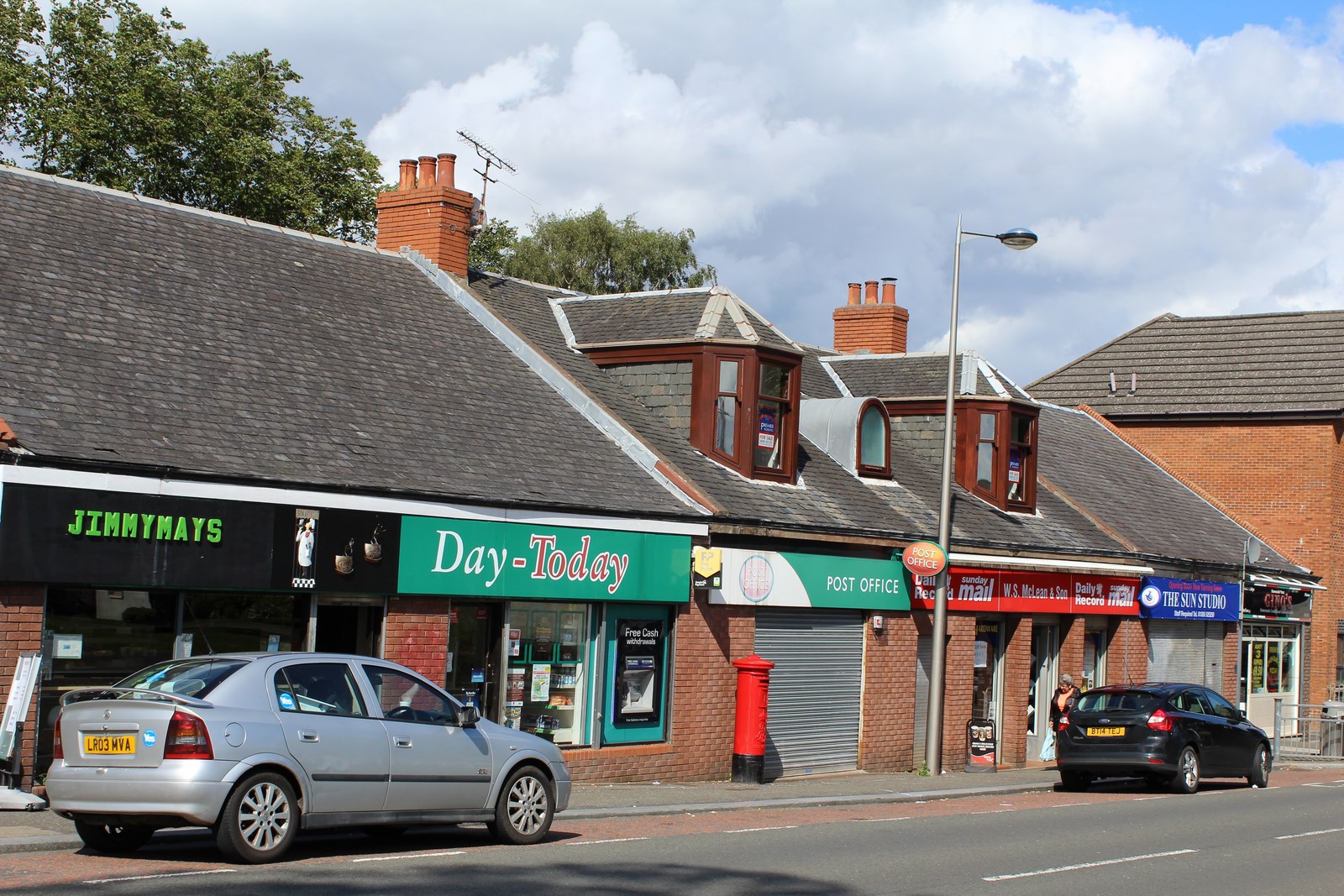
Blantyre at a glance
Blantyre lies in South Lanarkshire, south-east of Glasgow and beside the River Clyde. The town includes High Blantyre, Stonefield, Low Blantyre, Springwells, Auchinraith, Coatshill, Priory Bridge and West Craigs. These are parts of Blantyre, not separate towns.
The Clyde forms much of the town’s northern and eastern edge, while the Rotten Calder and its wooded valley lie to the west. Blantyre’s position between Glasgow and Hamilton, with rail and road connections across the Clyde Valley, has continued to shape where people live and work.
How the town grew
Blantyre’s story began long before its industrial expansion. The old parish developed through farms, small settlements, religious sites and estates. High Blantyre grew around the older settlement and parish routes, while communities closer to the Clyde expanded rapidly as mills, mines, transport and workers’ housing transformed the area.
The town people recognise today was not created in a single moment. It grew by joining older places and later neighbourhoods together. That history is one reason Blantyre has several distinct local centres while remaining one town.
Cotton, coal and working lives
The River Clyde supplied water and power for the Blantyre Cotton Works. The mill and its workers’ village connected the town to international trade during the Industrial Revolution. Raw cotton arriving in Scotland was tied to slavery and forced labour in the Americas and Caribbean, a history explored by David Livingstone Birthplace.
Coal later became central to Blantyre’s economy and identity. Pits brought rapid population growth and drew workers and families from Scotland, Ireland and, later, Lithuania and elsewhere. Mining created employment and close communities, but it was dangerous work.
The mining disasters
On 22 October 1877 an explosion at Blantyre Colliery killed more than 200 miners, making it Scotland’s worst mining disaster. Further fatal explosions followed in 1878 and 1879. The loss remains an essential part of the town’s history and of the story of workplace safety in Scotland. Read historical records for Blantyre parish.
David Livingstone and global connections
David Livingstone was born in 1813 in Shuttle Row, housing for families employed at the Blantyre Cotton Works. He began mill work as a child, attended evening classes and later trained in medicine before travelling in central and southern Africa as a missionary, doctor and explorer.
His life is internationally significant and also complex. His anti-slavery campaigning, scientific work and journeys are considered alongside the histories of empire, African knowledge and the many African companions and communities on whom his work depended. Explore Livingstone’s life through the museum.
People associated with Blantyre
- David Livingstone (1813–1873) — mill worker, doctor, missionary, explorer and anti-slavery campaigner, born at Shuttle Row.
- General John Gowans (1934–2012) — Blantyre-born writer, composer and international leader of The Salvation Army.
- Mary Nicol Neill Armour (1902–2000) — distinguished Scottish painter and teacher associated with Blantyre.
This is a starting point, not a claim to be a complete list. We welcome well-sourced suggestions about people whose connection to Blantyre and wider contribution should be included.
Blantyre today
The decline of coal mining and older heavy industries changed the town profoundly. Modern Blantyre is connected to employment across South Lanarkshire and the Glasgow city region, while local schools, health services, shops, hospitality, construction, small businesses, public services, charities and social enterprises all contribute to everyday life.
Community groups continue a long tradition of local organisation: caring for parks and green spaces, supporting families and young people, running halls and activities, preserving history and helping neighbours through difficult times. Visit our Community Directory to find local organisations.
Blantyre in the 2022 census
These figures describe Blantyre Census Locality 2022, the statistical area used by National Records of Scotland. Its boundary is not the same as Ward 15 or the Community Council area, and these are census figures rather than a current population estimate.
| Measure | 2022 result |
|---|---|
| Population | 16,538 |
| Households with residents | 7,760 |
| Residents aged under 16 | 15.89% |
| Residents aged 16–64 | 63.12% |
| Residents aged 65 and over | 20.99% |
Explore the official census results: select 2022, search for Blantyre and choose “Blantyre, in Census Locality 2022”. The overview also covers housing, identity, health, education and employment, with options to compare census years.
Source: National Records of Scotland, Scotland’s Census 2022 area overview, checked 17 September 2026.
Explore the Area Profiler
Want to understand more about the area where you live? The South Lanarkshire Area Profiler is a free, interactive tool covering population, housing, education, employment, health, unpaid care, household income and more. It can help residents and community groups understand local needs and support ideas for the town.
Getting started: open the report and use its Home button to choose a subject. The question-mark button opens the user guide. Check the area selected and the date of each dataset when exploring or comparing figures.
The report opens in Microsoft Power BI. Much of its information is shown for small statistical areas called data zones, with some figures available for larger intermediate zones. These boundaries may differ from the Blantyre census locality and council ward, so totals are not always directly comparable.
Places and events that shaped the town
- the medieval parish and the remains and memory of Blantyre Priory;
- High Blantyre and the town’s older routes and settlement;
- the Blantyre Cotton Works, Shuttle Row and the workers’ village;
- the growth of coal mining and railway connections;
- the 1877, 1878 and 1879 mining disasters;
- the development of Stonefield and other neighbourhoods as Blantyre expanded;
- the preservation and renewal of David Livingstone Birthplace and its park;
- the continuing work of local volunteers, organisations and community venues.
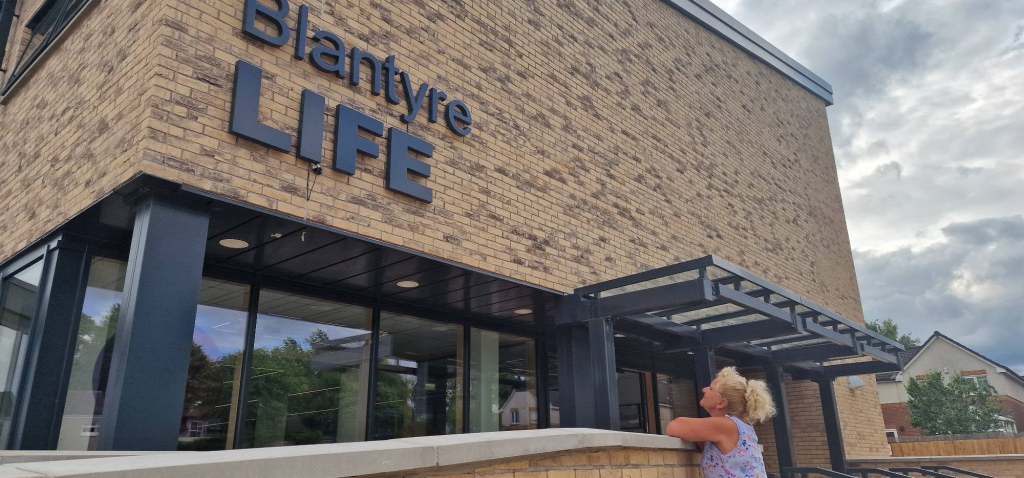
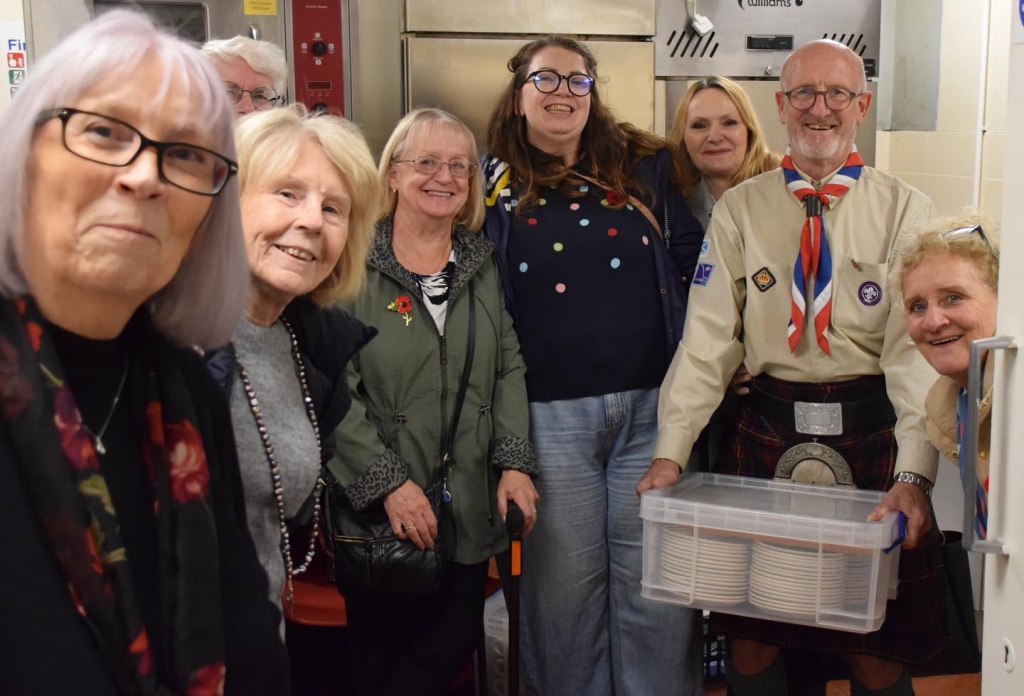
Community life in pictures
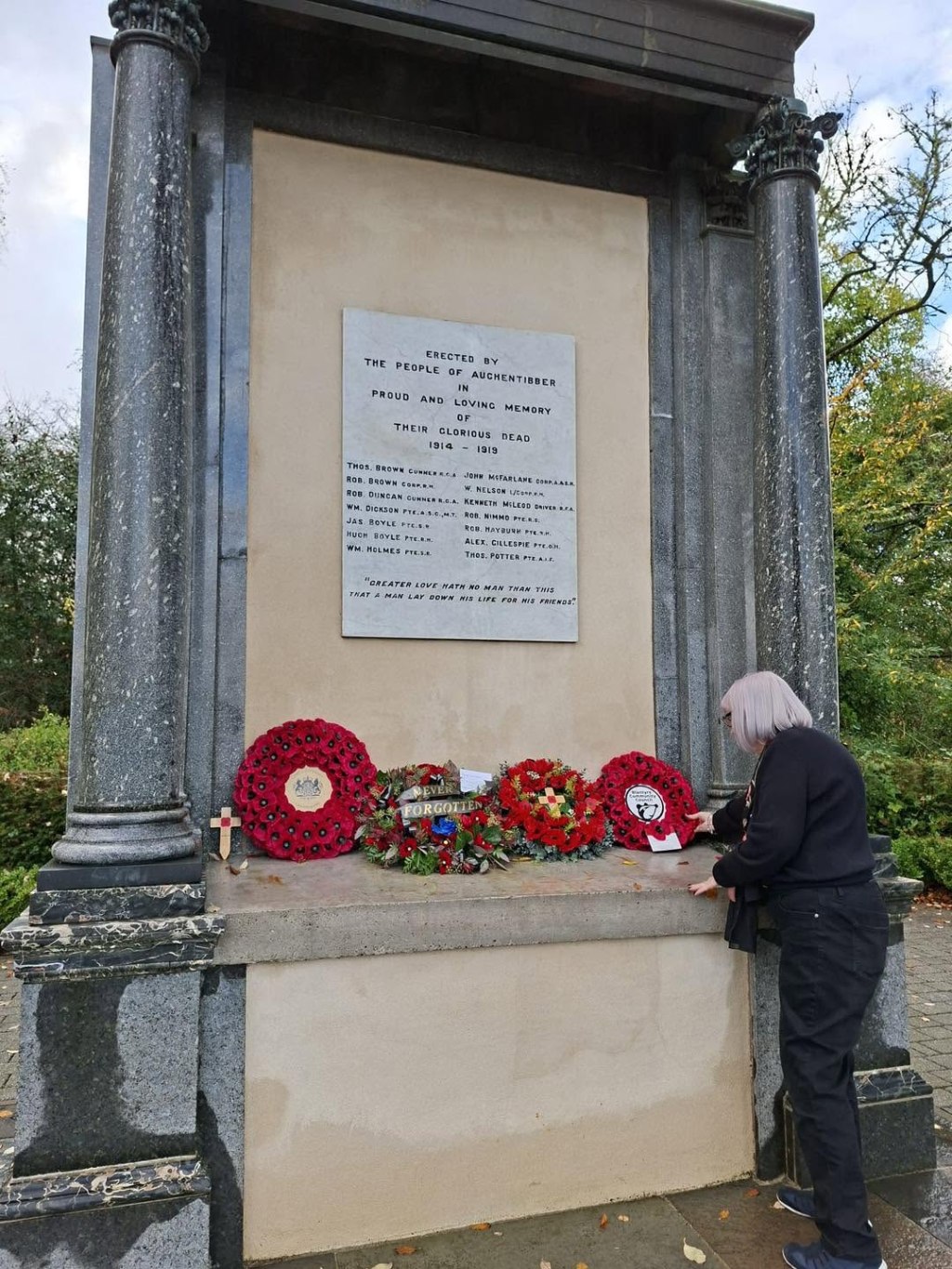
Remembrance Sunday, 9 November 2025
Help tell Blantyre’s story
Local history belongs to the whole town. If you can suggest a correction, a reliable source, an overlooked person or event, or a photograph that can legally be reused, please contact Blantyre Community Council.
Further reading: South Lanarkshire Council’s history of Blantyre; David Livingstone Birthplace; The Blantyre Project (Blantyre Historical Archive on Facebook); and the National Library of Scotland’s historic maps.
 Blantyre Community Council